How to grow chives in Australia
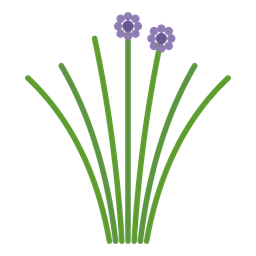
Chives are the easiest perennial herb you can grow. Plant a clump once and it produces fine, mild oniony leaves for years, expanding slowly to fill the available space. They tolerate frost, heat, partial shade, pot growing, neglect, and irregular watering. The flowers are edible and beautiful (small purple pompoms in spring). About the only thing that bothers chives is being completely forgotten. They'll go dormant if left bone-dry for long periods.
When to plant
Chives are perennial in most Australian climates, so the "when to plant" question is really about when to establish new plants. Once established, they re-emerge each year and need nothing from you.
March to August in the dry season. Chives survive year-round in tropical climates but grow most actively in cooler months.
February to September. Established chives produce year-round in southeast Queensland with brief slowdowns in hottest summer weeks.
February to October. Chives in these climates rarely go fully dormant. They produce year-round with seasonal vigour changes.
September to May. Chives go dormant in Melbourne winters, the leaves die back in cold weather. Plants re-emerge in spring without intervention.
October to April. Chives die back completely in winter and re-emerge with spring warmth. Plant in spring or autumn for establishment.
March to September. Established chives go dormant in peak summer heat and re-emerge in cooler weather.
Your planting calendar
Showing Melbourne 3000
Loading climate data…
Open the full planting calendar →How to plant
Chives can be grown from seed, seedlings, or by dividing an existing clump. Division is the fastest method, a clump from a friend's garden, separated into 3–4 pieces, gives instant established plants.
Spacing: 20–30cm between plants. Each clump expands to about 25cm wide over a few years.
Depth: Plant seedlings or divisions at the same depth they were growing. Seeds 5mm deep.
Soil: Reasonable garden soil with some compost. Chives aren't fussy about soil quality but appreciate good drainage.
Division: Every 3–4 years, dig up established clumps and divide them with a spade. Plant divisions in fresh soil. This rejuvenates old plants that have become woody in the centre and gives you free new plants to spread around the garden or share.
Pots, raised beds, or in-ground?
Chives are highly pot-friendly and excellent for kitchen window gardens.
In-ground works well, chives are useful edging plants in vegetable beds, providing pollinator-friendly flowers in spring.
Raised beds suit chives but they don't need the premium conditions of a raised bed to thrive.
Pots are an excellent home for chives. A 20cm pot supports a productive clump for 2–3 years before needing division. Smaller pots (15cm) work for a single year. Place in any sunny spot, outdoor in any season, indoor on a windowsill through cold months. Water occasionally; chives tolerate forgetting more than most herbs. Divide and refresh the soil every 2–3 years to maintain vigour.
Sunlight & water
Full sun to part shade, 4 to 8 hours daily. Chives produce most leaves in full sun but tolerate shade better than most herbs.
Water moderately. Chives tolerate dry conditions better than most herbs but produce best with steady moisture.
When and how to harvest
Cut leaves with scissors near the base of the plant, within 2–3cm of the soil. New leaves regrow within 1–2 weeks. Take what you need; the plant produces more.
Don't cut all the leaves at once, leave at least a third of the plant standing so it can keep photosynthesising and producing.
The purple flower heads are edible, pull individual florets apart to scatter on salads, or use whole heads as a garnish. Flowering doesn't reduce leaf quality but does slow leaf production slightly.
Best used fresh. Chives don't dry well, the flavour disappears. They do freeze well chopped, in ice cube trays with a little water.
Common problems
Chives have essentially no problems in Australian home gardens. The most common issue:
Yellowing or dying back in winter is normal in cool climates. The plant is dormant, not dead. Cut back any remaining brown leaves and wait for spring.
Slow growth or thin leaves in old clumps is a sign that division is needed. Dig up and split the clump every 3–4 years.
Rust can appear in very humid conditions. Remove affected leaves.
Companion planting
Plant near: Carrots (chives deter carrot fly), roses (deters aphids), tomato, lettuce.
Keep away from: Peas and beans (same allium-legume issue, though chives' impact is mild given their size).
Australian varieties
Common chives (Allium schoenoprasum), The standard chive, fine grass-like leaves, mild onion flavour, purple flowers. The variety almost always sold simply as "chives." Suits all climates.
Garlic chives (Chinese chives, Allium tuberosum), Flat, broader leaves with mild garlic flavour. White flowers. Used extensively in Asian cooking. Same growing habits as common chives but slightly more vigorous and heat-tolerant. Excellent for subtropical and tropical gardens.
Pet safety
Pet safety information is provided as a general guide only. If your pet has consumed any plant material, contact your vet or the Animal Poisons Helpline on 1300 869 738 immediately.