How to grow pea in Australia
Also known as: Garden Pea
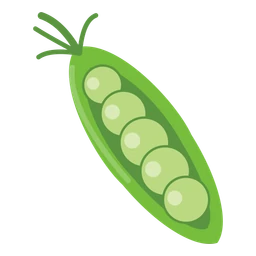
Peas are a cool-season crop that rewards patience. They grow slowly through winter, then suddenly produce armfuls of sweet pods over a few weeks in spring. Fresh garden peas eaten straight from the vine are one of those vegetables that genuinely don't compare to the supermarket version, the sugars start converting to starch the moment you pick them, which is why supermarket peas always taste a little flat. Growing your own is the only way to eat peas at their best. The catch is timing: peas hate heat and bolt the moment summer arrives, so you need to get them in early.
When to plant
Peas need cool conditions to grow well, between about 10–20°C. They tolerate light frost once established but seedlings can be damaged by hard frosts. Hot weather above 25°C causes flowers to drop and pods to fail to set.
May to July in the dry season. Peas are marginal in tropical climates, the cool window is short and humidity causes fungal disease. Snow peas often do better than shelling peas in these conditions.
March to July. Plant April or May for harvest June to September. The cool season window is generous in southeast Queensland.
March to August. Sydney and Perth gardeners have a long pea window. Plant successively every 3–4 weeks for continuous harvest through winter and spring.
March to August. Melbourne is excellent pea territory. Autumn plantings produce a winter-to-spring harvest. Plants tolerate light frost.
February to August. Hobart and Canberra have ideal pea conditions, long, cool springs and plants that tolerate cold. Plant from late summer through autumn for spring harvest.
March to July. Inland winters suit peas well, cool dry days, less disease pressure than humid coastal climates.
Your planting calendar
Showing Melbourne 3000
Loading climate data…
Open the full planting calendar →How to plant
Peas are direct-sown from seed. They don't transplant well, the taproot is sensitive to disturbance.
Spacing: 5–10cm between plants in rows 60cm apart for climbing types; 30cm apart for bush varieties. Plant a double row 10cm apart on either side of the trellis to maximise yield.
Depth: 2–3cm deep.
Support: Most pea varieties climb and need support, a trellis, mesh, netting, or twiggy branches stuck in the ground all work. Bush varieties stay shorter (60–90cm) but still benefit from light support to keep pods off the ground. Install support at planting; the tendrils grip readily once they reach it.
Soil: Peas (like all legumes) fix their own nitrogen from the air via root bacteria, so they don't need rich fertilised soil, too much nitrogen produces leafy plants with few pods. They prefer slightly alkaline soil (pH 6.5–7.5). Add lime if your soil is acidic.
Inoculant: For best yields, dust seeds with a legume inoculant (a powder containing the specific bacteria that form root nodules) before sowing. Most Australian soils have these bacteria naturally, but in new gardens or pots, inoculating helps.
Succession planting: Sow a short row every 3–4 weeks for continuous harvest. The window between "no peas" and "going to seed" is brief, staggered plantings extend it.
Pots, raised beds, or in-ground?
Peas work in all three options.
In-ground is the standard. The unrestricted root run and the ability to install permanent trellising make in-ground productive.
Raised beds suit peas very well. Improved drainage helps through wet winters, and you can install a permanent trellis at the back of the bed. Peas don't need rich soil so a long-established bed with old compost works fine.
Pots are a real option, particularly for dwarf bush varieties. A 30cm pot supports 6–8 bush pea plants with a short stake or small trellis. Climbing varieties need a 40+ litre pot and a 1.5–2m trellis or stake. Use a free-draining potting mix; over-rich mix produces leafy plants with few pods.
Sunlight & water
Full sun to part shade, 4 to 8 hours daily. Peas tolerate more shade than most vegetables, particularly in warm climates where afternoon shade reduces heat stress.
Water consistently. Peas are sensitive to dry conditions during flowering and pod development, moisture stress at this stage causes flowers to drop. Mulch lightly.
When and how to harvest
Pick pods when they're plump and full but still bright green and crisp. Pods that have gone pale or feel waxy are past their best, the sugars have converted to starch.
Pick every 2–3 days during peak production. The more you pick, the more the plant produces. Stop picking and the plant decides its work is done and slows new flower production.
Peas don't store well, eat within a day or two of picking, or freeze immediately after blanching. The fresh-from-the-garden flavour disappears quickly.
Common problems
Powdery mildew is the most common pea problem in Australia, particularly toward the end of the season when conditions warm up. White dusty coating on leaves, plants decline quickly once it takes hold. Choose resistant varieties; ensure good airflow with proper spacing; remove affected leaves promptly. A single planting that's been hit by mildew should be removed entirely once it stops producing.
Birds strip pea seeds and seedlings, pigeons are the worst offenders in suburban gardens. Net seedlings until they're 10cm tall and well-established.
Aphids cluster on tender new growth. Strong water spray usually controls them; encourage ladybirds and lacewings.
Flower drop without pod set is usually a heat problem, temperatures above 25°C cause flowers to abort. The fix is timing.
Pests & diseases that affect Pea:
Companion planting
Plant near: Carrots, beans (different family, green or French beans share the nitrogen-fixing trait), radish, lettuce, brassicas, corn, cucumber.
Keep away from: All alliums (onion, garlic, chives, leek, spring onion), alliums inhibit the soil bacteria that peas depend on for nitrogen fixing.
Australian varieties
Greenfeast, Classic Australian shelling pea. Tall climbing variety, productive over a long season. Reliable across cool-season climates.
Massey Gem, Bush variety, compact (60–80cm), good for smaller spaces. Australian-bred.
Telephone, Heritage variety, very tall climbing (2m+), excellent flavour. Heritage seed suppliers.
Sugar Snap, Edible-pod variety with thick, sweet pods. Eat pods and peas together. Climbing habit. Excellent for fresh eating.
Dwarf Sugar, Shorter sugar snap variety. Suits pots and small spaces.
Lincoln, Heritage shelling pea, sweet flavour. Climbing habit. Long productive season.