How to grow pumpkin in Australia
Pumpkins are the easiest large vegetable to grow in Australia, once you give them what they need, which is a lot of space and a long warm season. The hard rule is that pumpkins need at least four consecutive frost-free months from planting to harvest. That single constraint determines whether they're viable in your climate, and dictates exactly when you can plant. Get that right and the rest is mostly waiting; pumpkins are tough, productive, and rewarding plants that don't need much from you once established.
When to plant
Pumpkins need warm soil (18°C+) to germinate, no frost at any point during their long growing season, and ideally a relatively dry harvest period for proper curing. Most varieties take 100–140 days from planting to harvest, there's no shortcut.
March to July in the dry season. Wet-season pumpkins suffer from fungal disease and rot, the dry season conditions (warm, lower humidity) are ideal. Harvest typically July to October.
August to January, with September being the most productive planting time. The long warm season suits pumpkins well. Aim for plants to flower in spring or summer for autumn harvest. Pumpkins planted late (December–January) may not mature before the cooler weather arrives.
September to November. October is the standard month, soil is warming and there's enough season ahead for full maturity. Adelaide gardeners should plant slightly earlier (September) to ensure enough warm season ahead.
October to November. Melbourne is at the cooler edge of practical pumpkin growing. You need every warm week, so plant as early as the frost risk allows (typically early November). Choose smaller-fruited or faster-maturing varieties (Butternut, Jarrahdale) rather than huge ones (Atlantic Giant types) that won't have time to mature. In Ballarat and Bendigo, the season is genuinely tight, focus on faster varieties.
Pumpkins are marginal in Hobart and Canberra. The four-frost-free-month requirement is rarely met in alpine areas, and even in metropolitan Hobart it's a close-run thing. Choose the fastest-maturing varieties (Butternut and small varieties around 90–100 days) and plant against a north-facing wall. Accept that some years won't produce mature fruit.
August to September. Semi-arid summers are actually well-suited to pumpkins, warm days, low humidity (less disease), and a long growing season. Water is the main concern; mulch heavily and water deeply but less frequently.
Your planting calendar
Showing Melbourne 3000
Loading climate data…
Open the full planting calendar →How to plant
Pumpkins are usually direct-sown rather than transplanted. They don't take to root disturbance well. Seed germinates readily in warm soil (5–10 days at 20°C+).
Spacing: Allow 1.5–2 metres between plants. This is the spacing that catches gardeners out, pumpkin vines can spread 4–5 metres in all directions. They will happily climb fences, sheds, and over other plants if not directed. Plan space accordingly.
Depth: Sow seeds 2–3cm deep. Plant 2–3 seeds per spot and thin to the strongest seedling.
Mound planting: Build small mounds 20–30cm high to improve drainage and warm the soil faster. Plant on top of the mound.
Soil: Pumpkins are heavy feeders. Dig in plenty of well-rotted manure or compost before planting, a generous bucketful per planting hole. Slightly acidic to neutral pH (6.0–7.0).
Pots, raised beds, or in-ground?
Pumpkins are not really pot-friendly plants, a single vine wants more space than any reasonable container provides.
In-ground is the obvious choice. Pumpkins need space and root run. Plan for a 2m × 2m footprint per plant at minimum.
Raised beds work for compact varieties (Butternut Baby, Sugar Pie) if the bed is large enough, at least 1.5m × 1.5m, and you're willing to let the vines spread out of the bed.
Pots are not practical for standard pumpkins. The plants are too large and the root requirements too significant. Some compact "patio pumpkin" varieties (Wee-Be-Little, Jack Be Little) have been bred for small-space growing and will produce small ornamental or culinary fruit in a large pot (50+ litres), but most people will get more satisfaction growing something else if space is limited.
Sunlight & water
Full sun, 6 to 8 hours daily.
Water deeply but infrequently. Pumpkins are reasonably drought-tolerant once established, daily watering encourages shallow roots and fungal disease. A deep soak once or twice a week is better than frequent light watering. Water at soil level, not over the leaves.
Stop watering 2–3 weeks before expected harvest to help the fruit cure on the vine.
When and how to harvest
Pumpkins are ready when the stem starts to dry and harden, the rind is too tough to dent with a fingernail, and the fruit gives a hollow sound when tapped. Different varieties have different colour cues at maturity, read the seed packet or label.
Cut with secateurs, leaving 5–10cm of stem attached. A pumpkin without its stem won't store properly, bacteria enter through the stem wound and the fruit rots within weeks.
Curing is the step that determines storage life. After harvesting, place pumpkins in a warm, dry, well-ventilated spot for 1–2 weeks, a covered verandah or sunny shed works well. The skin hardens and any surface wounds heal. Properly cured pumpkins keep for 4–6 months in a cool dry spot; uncured pumpkins last weeks rather than months.
Common problems
Powdery mildew is the main pumpkin problem in humid coastal climates. Same prevention as zucchini and cucumber, good spacing, water at soil level, remove badly affected leaves. Pumpkins generally tolerate more mildew than zucchini without serious yield loss; the disease arrives later in the season when most fruit is already developing.
Poor pollination is common in cool wet weather when bees aren't active. Hand-pollinate by transferring pollen from a male flower (long stem, no swelling) to a female flower (small fruit-shaped swelling at the base). Do this in the morning when flowers are fully open.
Vine borers can be a problem in subtropical and tropical climates, the caterpillar tunnels into the stem, causing sudden wilt. If wilting plants seem otherwise healthy, look for an entry hole near the base of the vine. Slit the stem lengthwise to remove the borer, then cover the wound with damp soil, the vine can re-root and recover.
Fruit rot during a wet harvest period, sitting on damp ground encourages bottom rot. Place a tile, brick, or piece of wood under developing fruit to lift it off wet soil.
Pests & diseases that affect Pumpkin:
Companion planting
Plant near: Corn and beans (the classic "three sisters" combination, corn provides height, beans fix nitrogen, pumpkin shades the soil), nasturtium (decoy for pumpkin beetle), radish.
Keep away from: Potatoes (compete for nutrients and water).
Australian varieties
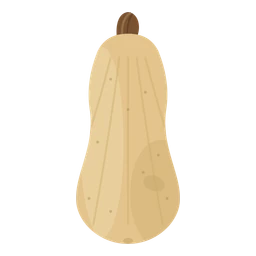
Butternut, The most popular pumpkin in Australian gardens. Sweet, nutty flesh, smooth skin, excellent keeper. Manageable size (1–2kg). Suits most climates that grow pumpkins at all. Vigorous vining habit.
Jarrahdale, Australian-bred grey-skinned heirloom. Large fruit (3–5kg), sweet dense orange flesh, exceptional keeper (stores 6+ months). Slow to mature, needs a long season. Best in warm temperate and subtropical climates.
Queensland Blue, Another Australian heirloom, blue-grey skin, deep orange flesh. Large fruit, excellent keeper, classic pumpkin pie variety. Suited to subtropical and warm temperate climates.
Kent (Jap), Striped green and grey skin, sweet orange flesh. Popular variety. Reliable across most climates. Moderate vine size.
Sugar Pie / Pie Pumpkin, Smaller orange pumpkin (1–2kg), sweet and fine-textured, ideal for cooking. Faster to mature than large varieties. Good for cool temperate climates.
Atlantic Giant, The enormous show pumpkins (often 50kg+). Not for cooking; grown for size. Needs a long warm season, best in subtropical climates.
Jack Be Little, Tiny ornamental pumpkin. Fits in a small pot. Edible but mainly grown for decoration.