How to grow fennel in Australia
Also known as: Florence Fennel
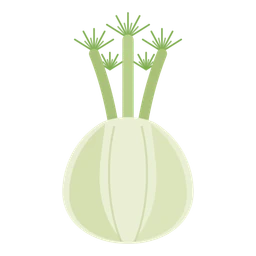
Fennel comes in two forms, bulb fennel (Florence fennel) grown for the swollen white stem base, and herb fennel grown for the feathery leaves and seeds. They're the same species but different selections; bulb fennel is the type meant when most people say "fennel" in cooking. Both have a distinctive anise flavour that works in Italian cooking, fish dishes, and salads. The catch, and it's a real one, is that fennel is allelopathic, meaning it releases compounds into the soil that suppress the growth of most plants around it. Grow fennel in its own dedicated spot, not in a shared bed with vegetables.
When to plant
Fennel needs cool to mild conditions. Bulb fennel is particularly bolt-prone in heat.
May to July in the dry season. Fennel is marginal in tropical climates.
March to July. Cool-season window. Plant for winter harvest.
February to June. Autumn through winter is the productive window.
January to April. Melbourne is good fennel country.
January to March. Long cool seasons suit fennel.
March to May. Cool dry winters suit fennel well.
Your planting calendar
Showing Melbourne 3000
Loading climate data…
Open the full planting calendar →How to plant
Fennel is grown from seed (direct-sown) or seedlings. Bulb fennel doesn't transplant well, direct sowing produces the best bulbs.
Spacing: 25–30cm between plants for bulb fennel; 30–45cm for herb fennel.
Depth: Sow seeds 5mm deep.
Soil: Well-drained, slightly alkaline soil. Reasonable fertility, not excessively rich.
Earthing up bulb fennel: As the bulb develops at the base of the plant, mound soil up around it (similar to leeks). This blanches the bulb white and improves flavour and texture.
Pots, raised beds, or in-ground?
Fennel needs dedicated space due to its allelopathic effect.
In-ground in its own bed or corner is the standard. Don't plant in a shared vegetable bed.
Raised beds dedicated solely to fennel work well. Don't mix with other vegetables.
Pots are excellent for fennel because they fully contain the allelopathic compounds. A 25–30cm deep pot supports bulb fennel; herb fennel needs larger pots due to its tall growth (up to 1.5m).
Sunlight & water
Full sun, 6 to 8 hours daily.
Water consistently. Bulb fennel particularly needs consistent moisture for good bulb development; dry conditions cause stringy or split bulbs.
When and how to harvest
Bulb fennel: Harvest when the bulb is the size of a small fist (about 8–10cm across), usually 12–14 weeks after planting. Cut at ground level with a knife. Past this size, the bulb gets fibrous and the plant moves toward flowering. The feathery leaves can be used as herbs.
Herb fennel: Harvest leaves continuously through the growing season. After flowering, harvest the seed heads, fennel seed is a useful spice for cooking and pickling.
Bulb fennel stores 1–2 weeks in the fridge.
Common problems
Bolting before bulb forms, heat or temperature swings cause plants to flower without producing a substantial bulb. The fix is timing.
Stringy or fibrous bulbs, caused by inconsistent watering or harvest delay.
Slugs and snails, beer traps or bait.
Carrot fly can affect fennel (same family). Net the bed if you've had problems.
Companion planting
Plant near: Nothing, fennel inhibits the growth of most plants around it. Grow in its own dedicated spot.
Keep away from: Tomato, beans, cucumber, dill (cross-pollinates with fennel, degrading both), coriander, brassicas. Essentially everything in the vegetable garden.
Australian varieties
Florence Fennel (Foeniculum vulgare 'Azoricum'), The bulb fennel variety. Several cultivars including Romanesco, Selma, and Perfection.
Herb Fennel (Foeniculum vulgare), Standard fennel grown for leaves and seeds. Doesn't produce a substantial bulb but is more cold-hardy than bulb fennel.
Bronze Fennel, Herb fennel with bronze-purple foliage. Decorative as well as culinary.
Sicilian Florence Fennel, Heritage Italian bulb variety. Premium quality.
Pet safety
Pet safety information is provided as a general guide only. If your pet has consumed any plant material, contact your vet or the Animal Poisons Helpline on 1300 869 738 immediately.