How to grow ginger in Australia
Also known as: Common Ginger
Ginger is a rainforest understorey plant at heart, which makes it one of the few genuinely shade-tolerant edibles, and a brilliant container crop almost anywhere in Australia. Plant a knob of rhizome in spring, give it warmth, moisture, and dappled light, and you can harvest mild "baby ginger" in autumn or leave it longer for pungent mature roots. In tropical and subtropical gardens it's close to foolproof; in cooler zones a large pot kept warm and lifted before winter does the job. Fresh home-grown ginger, stringless and aromatic, is a revelation next to the fibrous supermarket kind.
When to plant
Plant rhizome pieces in spring as the soil warms (above 18°C). Ginger needs a long, warm, moist season.
Ideal. Plant into the warm/wet season; ginger grows vigorously and can be harvested over a long window. Bundaberg in subtropical QLD is Australia's commercial ginger heartland for good reason.
Excellent. Plant September–November in dappled shade with rich, moist soil. Harvest baby ginger from autumn or leave for mature rhizomes.
Plant October–November in a warm, sheltered, part-shaded spot or large pot. A good crop is achievable; the season is adequate.
Grow in pots kept warm. Plant late spring; harvest in autumn and store rhizomes frost-free to replant.
Marginal, pots in the warmest position or under cover only, with winter storage of rhizomes.
Possible with consistent moisture and shade; ginger dislikes hot dry exposure, so a sheltered, irrigated, part-shaded spot is essential.
Your planting calendar
Showing Melbourne 3000
Loading climate data…
Open the full planting calendar →How to plant
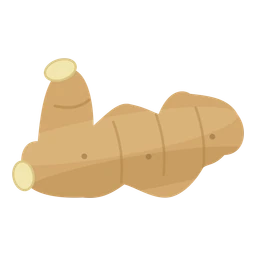
Start with fresh, plump rhizome with visible buds, nursery stock or firm, untreated fresh ginger both work.
Spacing: About 30cm between pieces.
Depth: Plant 5cm deep with the buds pointing up.
Soil: Rich, free-draining, moisture-retentive soil with lots of compost, pH 5.5–6.5.
Warmth to start: Rhizomes are slow to shoot in cool soil, wait for genuine warmth, and consider starting pots somewhere sheltered.
Pots, raised beds, or in-ground?
Pots (40L+) are excellent and the go-to in cool zones, easy to keep warm, easy to harvest by tipping out.
In-ground in tropical and subtropical gardens, especially in dappled shade with rich soil, gives the heaviest crops.
Raised beds with moisture-retentive, free-draining soil suit ginger well in warm climates.
Sunlight & water
Ginger prefers dappled shade or morning sun with afternoon shade, full hot sun stresses it. This shade tolerance is a real advantage in the garden.
Keep the soil consistently moist through the growing season; ginger is a high-water plant. As the foliage yellows in autumn, taper off watering to mature the rhizomes and prevent rot.
When and how to harvest
For mild "baby ginger," harvest from around 4–5 months, the young rhizomes are tender, pink-tipped, and stringless. For pungent mature ginger, wait until the leaves die back at 8–10 months.
Dig the clump with a fork, snap off what you need, and replant a few budded pieces for next season. In warm zones rhizomes can stay in the ground; in cool zones, lift and store frost-free over winter.
Common problems
Rhizome rot from waterlogged or cold, wet soil, provide drainage and ease off water as the plant dies down in autumn.
Slow or no shooting, cold soil or dried-out rhizomes; use fresh pieces and wait for warmth.
Frost kills foliage and damages rhizomes, lift before winter in cool climates.
Sunburn/stress in hot, exposed positions, give ginger the shade it naturally wants.
Companion planting
Ginger thrives alongside turmeric and lemongrass, the same warm, moist, part-shaded conditions suit all three, and they make a natural aromatics bed with basil. Sweet potato is a compatible warm-season companion that shares the appetite for heat and moisture.
Use ginger's shade tolerance to fill dappled spots beneath taller plants where sun-lovers won't grow.
Australian varieties
Common Ginger (Zingiber officinale), the standard culinary ginger; what you grow for cooking. Fresh supermarket rhizomes of this species will usually sprout and grow.
Baby Ginger, not a distinct variety but common ginger harvested young for its mild, tender, stringless rhizomes.
Blue Hawaiian, a flavoursome culinary selection with a blue-tinged ring in the flesh.
Shell Ginger (ornamental/edible), grown mainly for its attractive foliage and flowers; not the culinary rhizome ginger, though related.