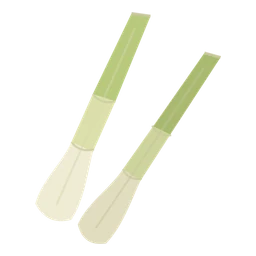
How to grow lemongrass in Australia
Also known as: Cymbopogon
Lemongrass is one of the easiest and most generous herbs you can grow in warm parts of Australia, a single clump quickly becomes a fountain of fragrant, citrus-scented stalks for Thai, Vietnamese, and Sri Lankan cooking. It's almost absurdly easy to propagate: a few supermarket stalks stood in a glass of water will often root in a week or two. The main thing to know is that it forms a big clump and needs space and full sun, and that in cool climates it dies back over winter and re-shoots in spring. (One caution: lemongrass is toxic to cats and dogs, so site it away from pets.)
When to plant
Lemongrass is planted from divisions or rooted cuttings in spring and summer once the weather is warm. It's frost-tender but fast-growing.
Grows year-round; plant any time. Forms large, lush clumps and never really stops.
Excellent. Plant spring through summer. Grows strongly through the warm months and only slows in the coolest part of winter.
Plant October–February. Grows well through summer; may die back in a cold snap but re-shoots reliably in spring.
Plant in late spring. Treat as a warm-season clump that dies back in winter and returns in spring; a pot lets you shelter it through the cold.
Best in a pot brought under cover for winter. Outdoors it's knocked back hard by frost but can regrow if the crown survives.
Grows well in the warm months with consistent water; the dry heat is fine as long as moisture is steady.
Your planting calendar
Showing Melbourne 3000
Loading climate data…
Open the full planting calendar →How to plant
Propagate by dividing an existing clump, or root supermarket stalks: stand fresh stalks in a glass of water on a windowsill until roots appear, then pot up and plant out when growing strongly.
Spacing: About 1m, clumps get large.
Depth: Plant divisions/rooted stalks so the base is just covered, around 5cm.
Soil: Free-draining soil with compost, pH 5.5–7.0. Lemongrass isn't fussy but appreciates feeding for lush growth.
Pots, raised beds, or in-ground?
Pots (large) are ideal in cool climates, easy to move under cover for winter, and they contain the clump's spread.
In-ground in warm climates produces big, productive clumps; give it room and full sun.
Raised beds suit it well, with the usual free-draining, fed soil.
Sunlight & water
Full sun and good airflow, lemongrass wants 6+ hours and room around the clump.
Water consistently through the growing season for lush, tender stalks; it tolerates some dryness once established but grows best with steady moisture. Reduce watering in winter, especially in cool climates where the clump goes semi-dormant.
When and how to harvest
Harvest from a few months after planting, once the clump is established. To harvest, grasp an outer stalk low down and twist/pull it free, or cut at the base, the tender, swollen white base is the part used in cooking. Peel away the tough outer layers to reach the fragrant core, or bruise whole stalks for soups and curries.
Cut the whole clump back to about 30cm in autumn in cooler zones to tidy it and manage size; it re-shoots in spring.
Common problems
Frost dieback in cool climates, normal; protect the crown or pot up and shelter, and it returns in spring.
Rust (orange leaf spots) in humid conditions, improve airflow and remove badly affected leaves; rarely serious.
Overcrowded clumps become woody and less productive, divide every couple of years in spring to refresh.
Sharp leaf edges can cut skin, wear gloves and long sleeves when handling and dividing.
Companion planting
Lemongrass pairs naturally with the warm-climate aromatics it's cooked with, ginger, turmeric, and basil, which share its love of warmth and moisture.
Its strong citronella-like scent is often said to help deter some insects, making it a useful edge plant. Keep it clear of pets, as the foliage is toxic to cats and dogs.
Australian varieties
West Indian (Cymbopogon citratus), the culinary standard in Australia; the lemongrass you want for cooking. Forms fat, tender stalks.
East Indian (Cymbopogon flexuosus), more often grown for its essential oil; also usable in cooking.
Citronella (Cymbopogon nardus), grown as an ornamental and insect-repellent; not the culinary species, so check labels if you're buying for the kitchen.
Pet safety
Pet safety information is provided as a general guide only. If your pet has consumed any plant material, contact your vet or the Animal Poisons Helpline on 1300 869 738 immediately.