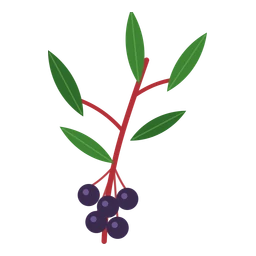
How to grow mountain pepper in Australia
Also known as: pepperberry, Tasmanian pepper
Mountain pepper, or pepperberry, is a cool-climate native shrub prized for its intensely peppery leaves and dark berries, a signature flavour of modern Australian cooking. It is a plant for the cooler, moister parts of the country, and it comes with one quirk worth knowing before you buy: it is dioecious, meaning plants are either male or female, and you need one of each to get berries. Grow it for the leaf alone and a single plant is fine.
When to plant
Mountain pepper is a genuinely cool-climate plant. It is frost-hardy but dislikes heat and dry air, which sharply limits where it will thrive.
Cool temperate (Melbourne, Ballarat, Bendigo): Well suited, especially in cooler, moister hill gardens. Plant in autumn or spring into a sheltered, part-shaded spot.
Cold (Hobart, Canberra, alpine): Ideal. This is its natural climate, the highlands of Tasmania and south-eastern Australia. Plant in spring so it establishes over the growing season, or autumn in milder cold gardens.
Warm temperate (Sydney, Perth, Adelaide): Difficult. Only worth attempting in a cool, shaded, moist microclimate, and even then it often struggles with the heat.
Subtropical and tropical (Brisbane, Cairns): Not suited. The climate is too warm and humid.
Arid (Alice Springs): Not suited. Too hot and dry.
Your planting calendar
Showing Melbourne 3000
Loading climate data…
Open the full planting calendar →How to plant
Buy plants from a native or bush-food nursery, and if you want berries, buy a male and a female plant, or a plant already confirmed as female with a pollinator nearby. Plant into moist, humus-rich, slightly acidic soil in a sheltered, part-shaded position that echoes its cool rainforest-understorey origins.
It is naturally slow, so settle in for a patient few years. Mulch well to keep the roots cool and moist, avoid high-phosphorus fertilisers as with most natives, and protect young plants from drying winds and hot sun.
Pots, raised beds, or in-ground?
It grows well in a large pot, which is a good way to manage its need for cool, moist, acidic conditions and to keep it in a sheltered spot, particularly at the warmer edge of its range. Use a quality mix, keep it moist, and never let a potted plant bake or dry out.
In the ground, in a suitably cool garden, it forms an attractive shrub of two to three metres with reddish stems and glossy leaves, happy as an understorey plant beneath taller trees or on a shaded, moist slope.
Sunlight & water
Part shade is ideal, mimicking the dappled light of its native forest understorey. It will take more sun in genuinely cool, moist climates, but in warmer spots shade is essential to stop it scorching and stressing.
Consistent moisture is key. Mountain pepper does not tolerate drying out, so water regularly, mulch heavily, and choose a spot that stays cool and damp. Combined with its dislike of heat, this moisture requirement is why it is really only happy in cooler regions.
When and how to harvest
The aromatic leaves can be picked year round from an established plant, and are used fresh or dried and ground as a pepper substitute with a slow, building heat. Light, regular picking also helps shape the shrub.
The berries ripen to glossy black in autumn on female plants, provided a male plant pollinated the flowers. Harvest them when fully coloured and use them fresh, dried or ground. Both leaf and berry are potent, so a little goes a long way in cooking.
Common problems
Mountain pepper is largely pest-free. Its real challenges are climatic: heat stress, dry air and drought, all of which cause it to struggle or die outside cool, moist regions. Get the location right and it is an easy, healthy plant; get it wrong and no amount of care will keep it happy.
The other point to plan for is pollination. Because plants are male or female, a lone plant, or two plants of the same sex, will flower but never set berries. It is not toxic, though the berries and leaves are pungent enough to irritate if eaten in quantity.
Companion planting
As a cool, moisture-loving understorey shrub, mountain pepper associates naturally with ferns, other rainforest natives and shade-tolerant groundcovers that enjoy the same damp, sheltered conditions. Grow it beneath or alongside taller trees that provide the dappled shade it wants, and keep it away from hot, dry, exposed positions and from thirsty plants that would compete for moisture.
Australian varieties
Mountain pepper is grown as the species, Tasmannia lanceolata, with plants sold as male or female (or as unsexed seedlings). The practical choice is not about cultivars but about sex: for berries you need both a male and a female, while for leaf harvest alone a single plant of either sex is enough. Buy from a specialist native nursery that can tell you what you are getting.
Frequently asked questions
Do I need two mountain pepper plants?
For berries, yes. Plants are either male or female, so you need one of each for the female to set fruit. If you only want the peppery leaves, a single plant of either sex is fine.
Can I grow mountain pepper in a warm climate?
It is difficult. Mountain pepper is a cool-climate plant that dislikes heat and dry air. In warm regions it only has a chance in a cool, shaded, consistently moist microclimate.
How do you use pepperberry?
The leaves and dried berries are used ground as a native pepper with a slow-building heat. Both are potent, so use small amounts. Leaves can be picked year round; berries ripen in autumn.
Pet safety
Pet safety information is provided as a general guide only. If your pet has consumed any plant material, contact your vet or the Animal Poisons Helpline on 1300 869 738 immediately.