How to grow lemon balm in Australia
Also known as: Melissa
Lemon balm is mint's gentle cousin, same family, similar growing habits, but less aggressive and with a soft lemon scent rather than menthol. It makes excellent herbal tea, attracts pollinators with masses of small flowers, and grows in conditions that defeat fussier herbs. Like mint, lemon balm spreads, but more gently, via seed rather than runners, which makes it easier to contain than mint. Still worth growing in pots for the most controlled result.
When to plant
Lemon balm is perennial in all Australian climates. Plant in spring or autumn.
April to August in the dry season.
February to October.
September to May.
September to April. Dies back in cold winters; re-emerges in spring.
October to April. Dormant through winter.
March to October. Mulch heavily through hot months.
Your planting calendar
Showing Melbourne 3000
Loading climate data…
Open the full planting calendar →How to plant
Lemon balm is grown from seedlings, cuttings, division, or seed. Seedlings establish quickly.
Spacing: 30–45cm between plants. Mature plants reach 40–60cm wide.
Depth: Plant at the same depth as the seedling.
Soil: Reasonable garden or potting mix. Lemon balm isn't particularly fussy about soil.
Spread management: Lemon balm self-seeds prolifically. Cutting flower heads off before seeds form prevents new plants appearing across the garden. Growing in pots prevents seed dispersal almost entirely.
Pots, raised beds, or in-ground?
Lemon balm works in all three options.
In-ground is fine if you don't mind it spreading by seed. Manageable but less controlled than other herbs.
Raised beds suit lemon balm well, easier to remove unwanted seedlings.
Pots are the recommended choice. A 25cm pot supports a productive plant for years. Prevents self-seeding spread completely. Place pots on paving rather than soil to ensure seeds don't reach garden beds.
Sunlight & water
Full sun to part shade, 4 to 8 hours daily. Tolerates more shade than Mediterranean herbs.
Water consistently, lemon balm prefers moister conditions than rosemary or thyme.
When and how to harvest
Cut stems as needed. Cut flower heads off as they appear to prevent self-seeding and encourage continued leaf production.
Best used fresh, the lemon scent fades quickly when dried, though dried leaves still make decent tea.
Common problems
Excessive self-seeding is the main issue, lemon balm appearing in unwanted places. Cut flower heads off or grow in pots.
Powdery mildew in humid conditions. Cut back hard, improve airflow.
Becoming woody in older plants. Cut back to ground each spring to rejuvenate, or divide every 3–4 years.
Companion planting
Plant near: Most vegetables, lemon balm attracts bees and beneficial pollinators. Tomato, brassicas, squash.
Keep away from: Other plants in shared pots, lemon balm can crowd out neighbours.
Australian varieties
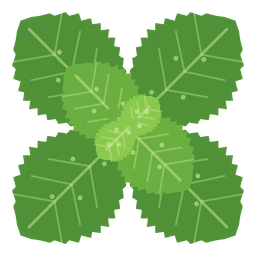
Common Lemon Balm (Melissa officinalis), The standard variety. Bright green leaves, strong lemon scent.
Variegated Lemon Balm, Green and yellow variegated leaves. Decorative as well as edible. Same growing habits.
All Gold, Golden-yellow leaves. Decorative variety. Similar habits to common lemon balm.